
Flattery Got it Everywhere
The Algorithm

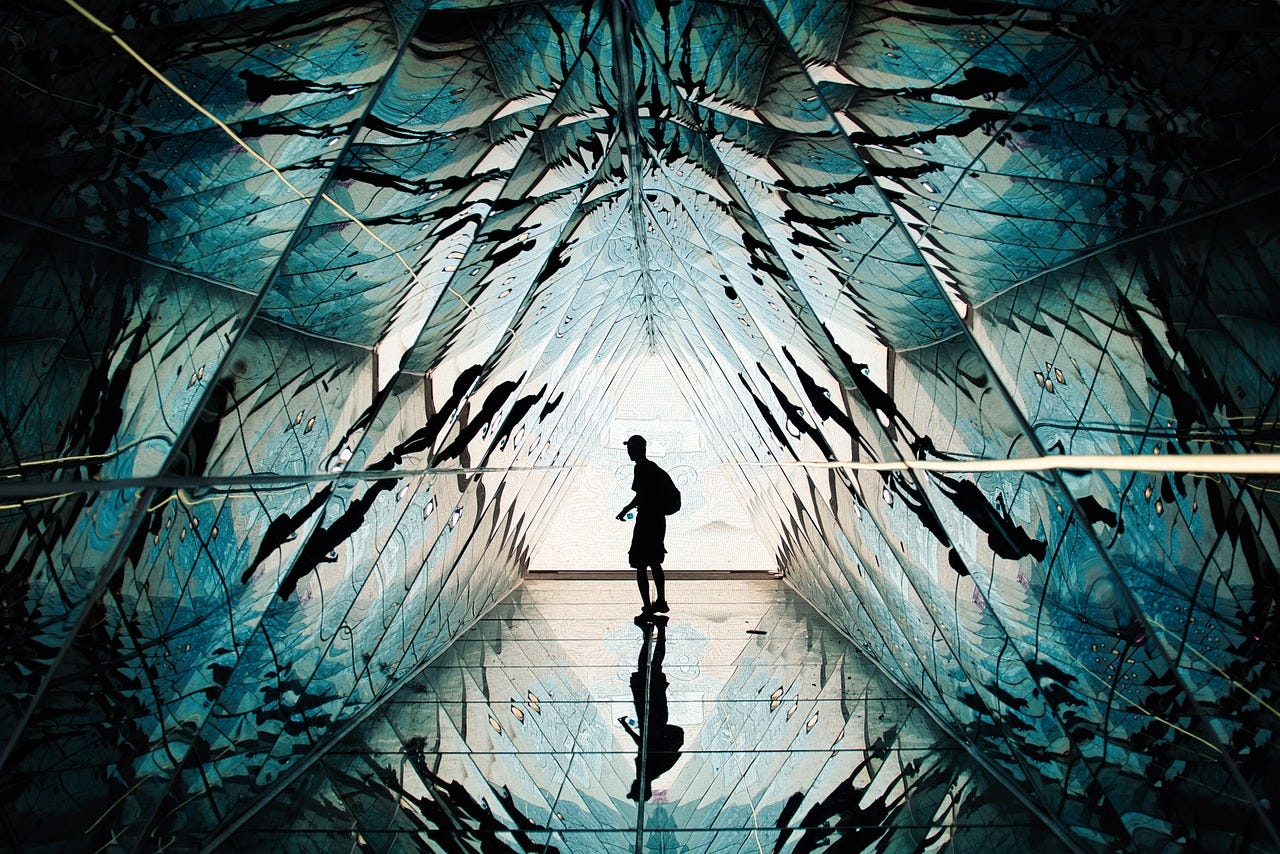
"It earns loyalty not through giving, but through mirroring desire so perfectly that you forget it’s harvesting what it reflects."
In the age of endless information and infinite choice, the most powerful force shaping human behavior isn’t a dictator, a preacher, or even a government. It’s an algorithm.
Not one specific codebase, but the invisible architecture behind your social feed, your search engine, your recommendations. It doesn’t look like power. It looks like convenience. It feels like personalization. But its genius—its seduction—is not in what it gives, but in how it reflects you so perfectly that you forget you’re being mined.
Mirroring, Not Giving
The algorithm never actually gives you anything new. It watches, listens, predicts—and then mirrors. It amplifies your tastes, your outrage, your curiosity, your loneliness. The illusion of discovery is just that: illusion. It’s not showing you the world; it’s showing you your own appetite, dressed up in novelty.
And in that mirroring, something deeper happens: you start to trust it. Because what feels like understanding is really reflection. What feels like intimacy is pattern recognition.
It feels like love.
But it's surveillance.
The Seduction of Flattery
The algorithm doesn’t need to control you by force. It doesn’t censor with a red pen or knock on your door at night. It flatters you into obedience.
It shows you people who think like you.
It rewards your instincts, your opinions, your emotions.
It never tells you you're wrong.
And because it flatters you, you stop resisting it. You stop questioning it. You feed it—your clicks, your data, your time—gladly, endlessly.
"And flattery is the most efficient form of theft—because the victim gives willingly."
You are not coerced.
You are enchanted.
What It Steals
This seduction comes with a price—one you don’t notice until much later:
Your attention, scattered and hijacked.
Your agency, slowly outsourced to machine preferences.
Your identity, shaped by what it thinks you want.
Your worldview, narrowed to what keeps you engaged.
In the name of personalization, you become more predictable. More reactive. Less curious. The algorithm doesn’t take your freedom violently—it trades it for comfort, and you don’t even feel the loss.
The Willing Prisoner
What makes this so effective isn’t the technology itself—it’s us.
We are soft targets for flattery.
We crave reflection more than truth.
We trust what pleases us more than what challenges us.
So we slide into algorithmic dependency, not with fear, but with gratitude.
And that’s the darkest brilliance of it all:
We hand ourselves over.
Not because we must.
But because it feels good.
So What Now?
The answer isn’t to run into the woods. It’s to reclaim awareness:
Notice when you’re being mirrored instead of informed.
Ask what you’re not seeing—not just what you are.
Seek discomfort, contradiction, and silence—because they can't be faked.
The algorithm’s not evil. It’s indifferent. But its power grows in proportion to our passivity
.
And if we ever want to see clearly again, we must remember:
Not everything that reflects you has your best interests in mind.