
When the Truth Is Uncomfortable

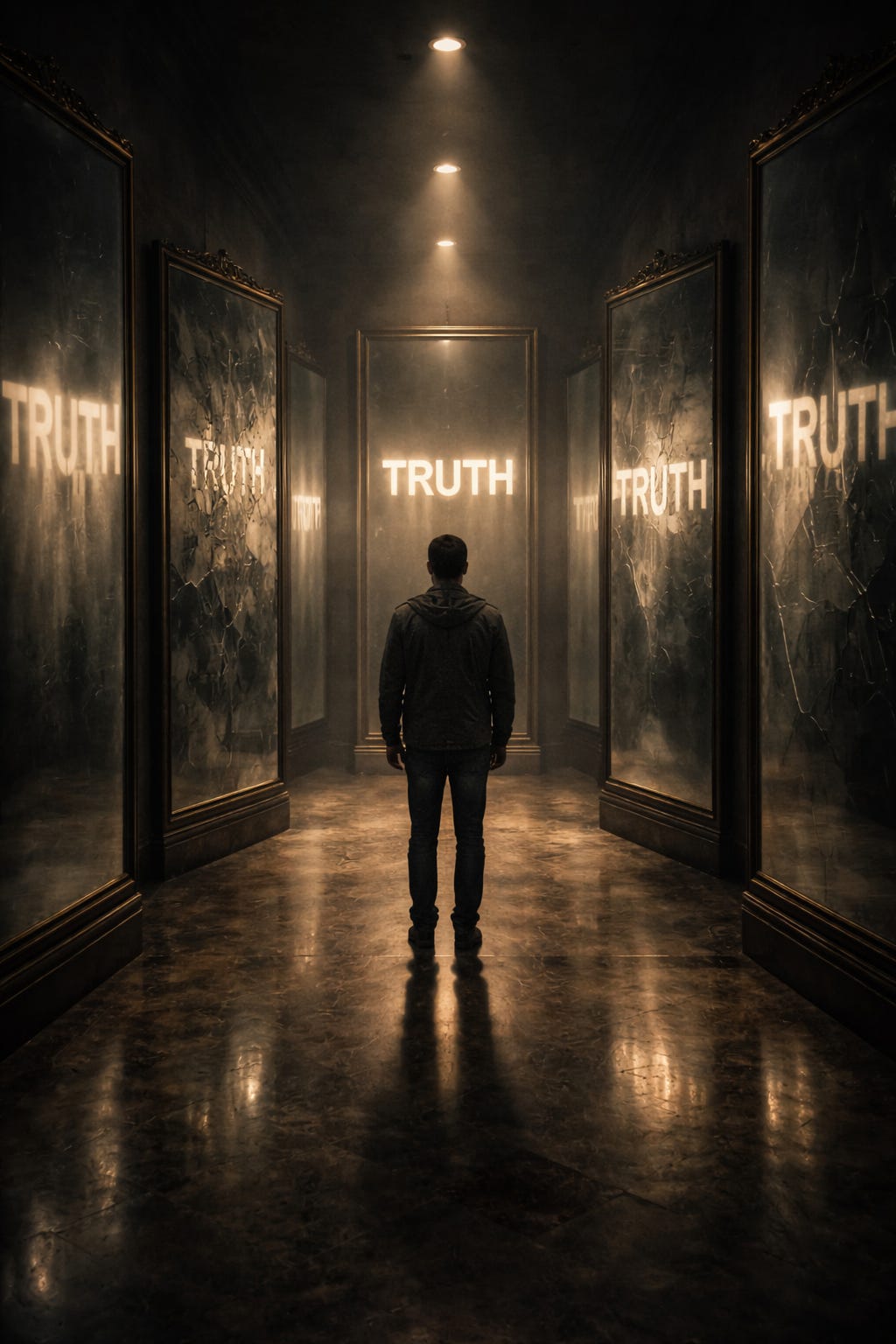
There is a moment—quiet, internal, and easy to miss—when people decide whether truth still matters to them.
It’s the moment when a fact challenges identity.
When evidence disrupts loyalty.
When reality threatens the story we tell ourselves about who we are, or who we stand with.
That is when the truth becomes uncomfortable.
Not because it is unclear.
But because it asks something of us.
In those moments, the easiest response is not denial—it is avoidance. We scroll past. We minimize. We change the subject. We tell ourselves it is exaggerated, partisan, or somehow not our responsibility.
But this is where democratic societies begin to weaken.
Truth is not merely information. It is a form of accountability. Without a shared commitment to reality, power no longer needs to justify itself. It only needs to repeat itself.
When truth becomes negotiable, so does everything else:
the rule of law
the legitimacy of elections
the independence of courts
the value of dissent
Facts become weapons. Lies become tools. And the space where citizens once stood together fractures into isolated realities.
What makes this moment dangerous is not that people lie.
It is that many choose not to look.
Because truth, when it is uncomfortable, demands courage.
It demands that we question our side, our leaders, even our assumptions.
It demands humility: the willingness to be wrong.
And that is harder than outrage. Harder than certainty. Harder than silence.
But democracy does not survive on comfort.
It survives on conscience.
When the truth is uncomfortable, the choice is simple, though not easy:
Turn away—and let power decide what is real.
Or face it—and insist that reality still matters.
Because the moment we stop choosing truth, we stop choosing each other.